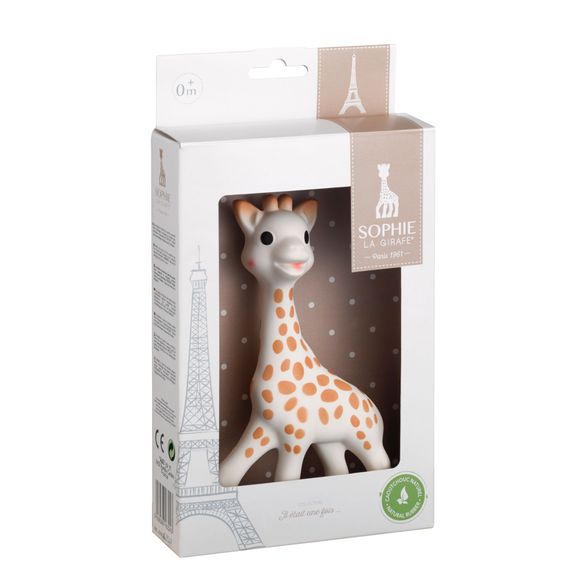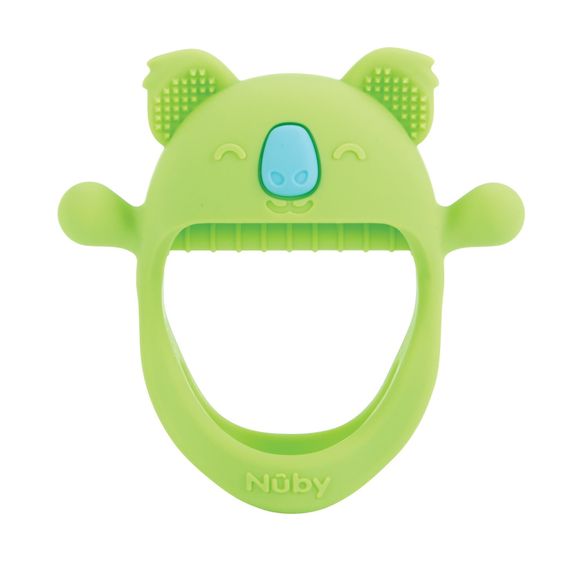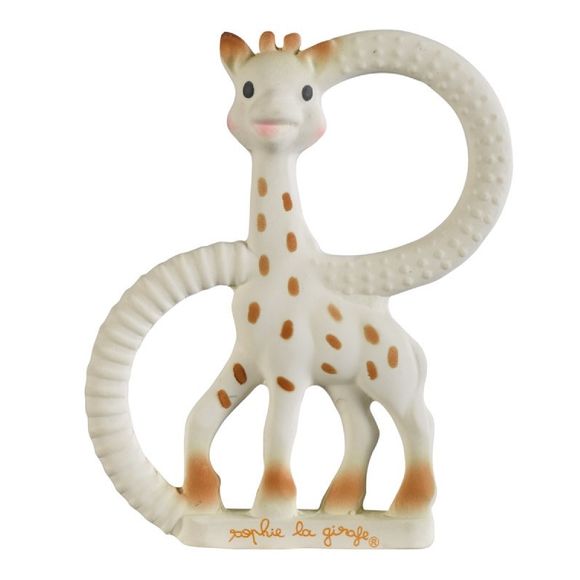
Sophie La Girafe So Pure Soft Teething Ring
$28.99
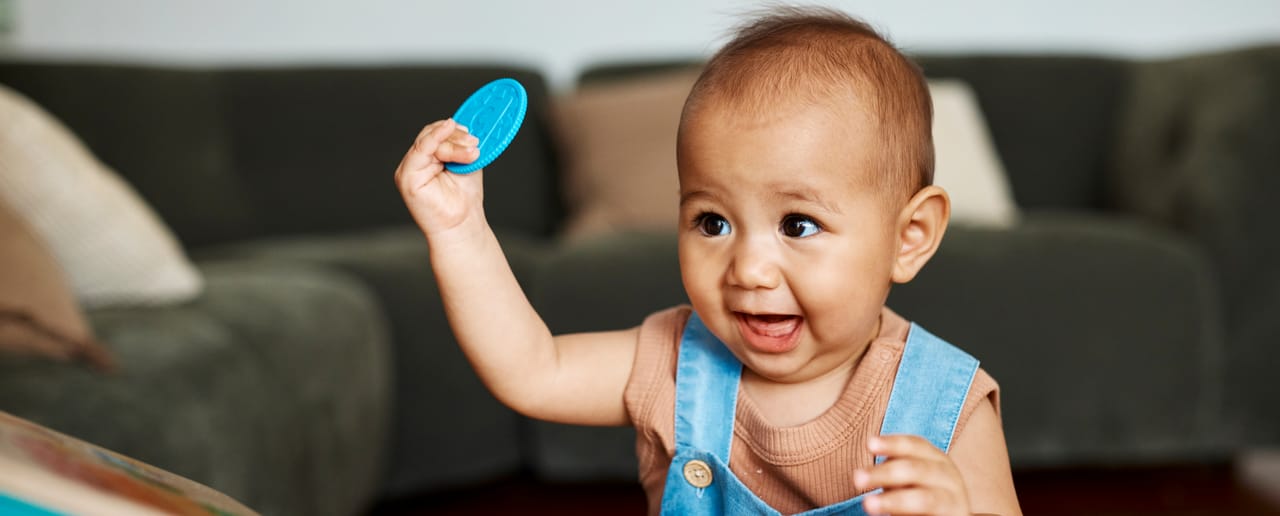
Teething is when your baby's teeth start pushing through their gums. "Most babies get their first tooth somewhere between four and seven months old," says paediatrician Dr Victoria McKay, though timing varies.
The first teeth are usually the bottom front ones, followed by the top four. Back teeth come through around 13 to 19 months, with pointy canines arriving between 16 and 22 months. "Most toddlers have their final baby teeth come through by the time they're three years old." "Generally a tooth breaks through in around seven days," Dr McKay explains, "but it's not unusual to have a pre-teething period where babies rub their gums but nothing happens for a while." So, if you're wondering whether it's teething, it probably is!
Some babies cut teeth with minimal disruption. But there are some teething signs Dr McKay says to watch out for:
A slight temperature increase can also be related to teething, but you shouldn’t ever dismiss fevers. “Fevers over 38 degrees Celsius should never be put down to teething,” says Dr McKay. “If your baby seems unwell, always have them seen by a doctor.”
| UPPER TEETH | ERUPT | SHED |
| Central incisor | 8-12 months | 6-7 years |
| Lateral incisor | 9-13 months | 7-8 years |
| Canine (cuspid) | 16-22 months | 10-12 years |
| First Molar | 13-19 months | 9-11 years |
| Second Molar | 25-33 months | 10-12 years |
| LOWER TEETH | ERUPT | SHED |
| Second molar | 23-31 months | 10-12 years |
| First molar | 14-18 months | 9-11 years |
| Lateral incisor | 17-23 months | 9-12 years |
| First Molar | 10-16 months | 7-8 years |
| Central incisor | 6-10 months | 6-7 years |
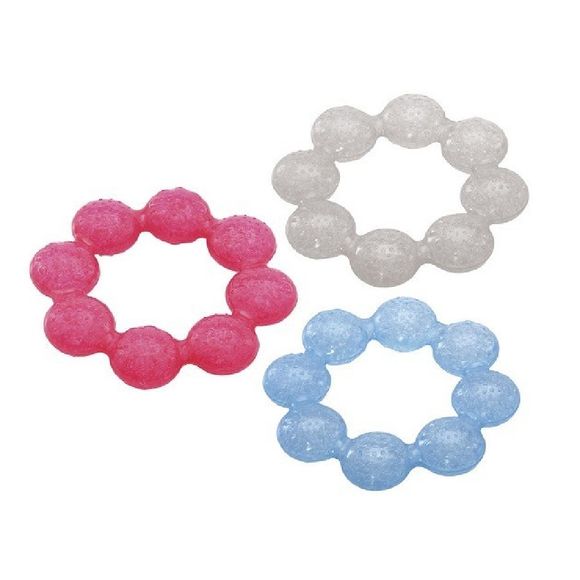
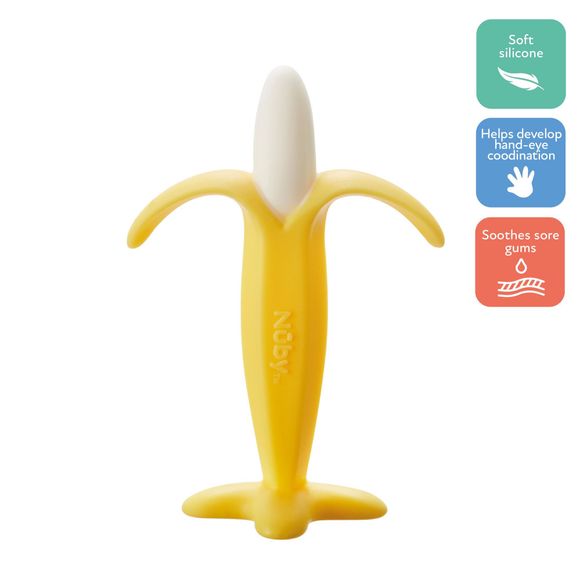
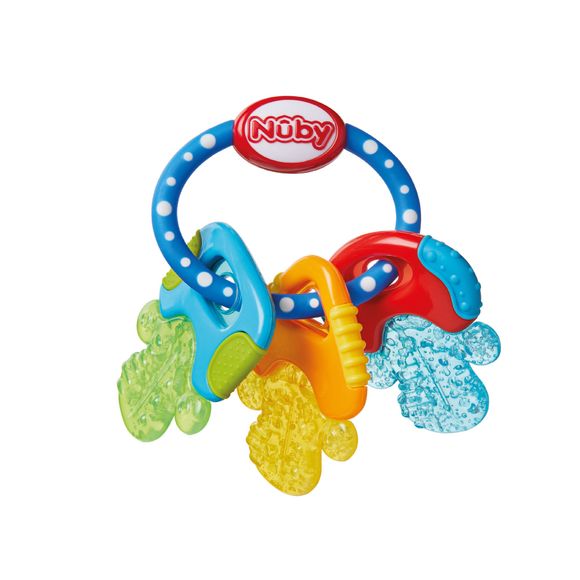
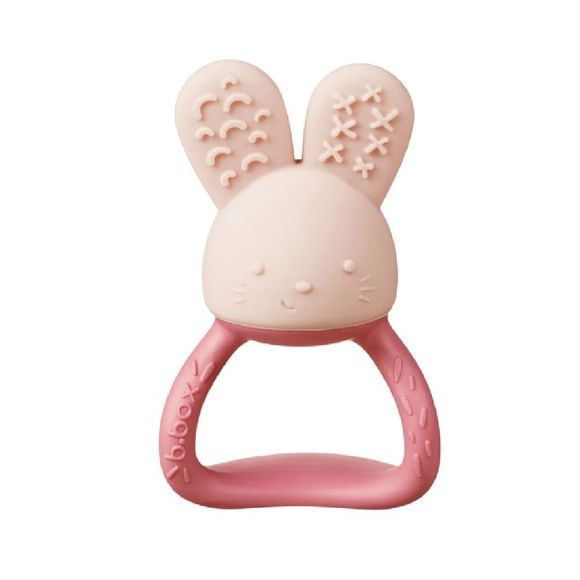
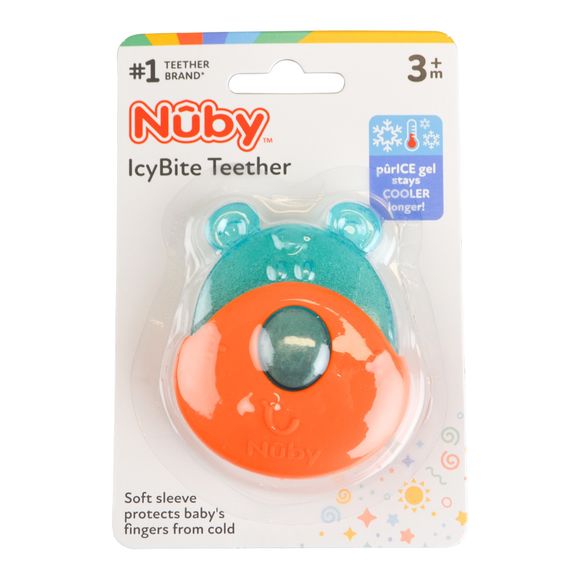
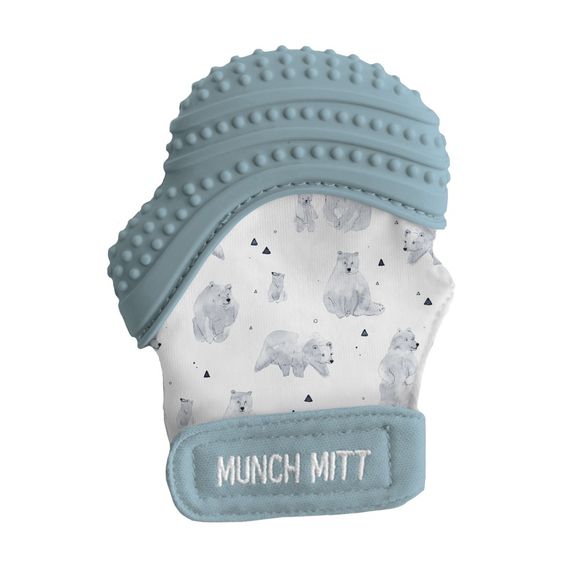
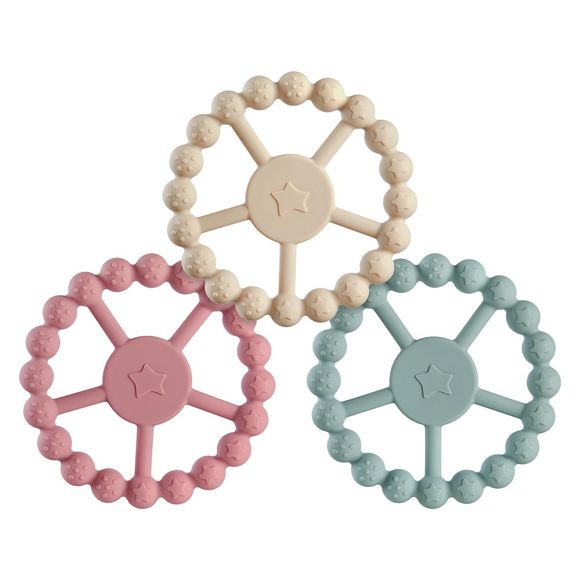
There are ways to give your baby some relief from sore gums, most of them simple home remedies. There are lots of baby teethers available at Baby Bunting which can help your teething bub.
“Cool items such as chilled teethers and soothers are a great idea and can be very soothing,” says Dr McKay. “Frozen foods should be avoided as these can be hard to manipulate in and out of their mouth.”
Instead, Dr McKay suggests crushing up something frozen (like breast milk) and putting it into a fresh food feeder for them to suck on.
Some parents find that dummies and soothers can help give children relief when they are teething.
She adds, “Lots of babies want to gnaw on something, so the harder rusks are great for this. Some babies like to have a cool wash cloth rubbed on their gums, but others find this too much. The main thing is to be responsive to what your baby is finding helpful.”
Amber necklaces aren’t recommended by experts and should be avoided for potential safety risks. “I don’t like babies having anything around their necks,” says Dr McKay.
If your baby’s discomfort is more significant, painkillers such as paracetamol can be helpful. “Always use the appropriate dose,” says Dr McKay. “However, if your baby is consistently in discomfort and you need to use paracetamol in more than an ad hoc way, that should be a prompt to have your baby seen by a GP or a maternal health nurse.”
Teething gels shouldn’t be used as a first port of call and should always be used under the advice of a GP.
Those 2am wake-ups are rough on everyone! Try giving your little one a chilled teether before bed, or gently massage their gums with a cool, damp washcloth. If they're really struggling, don't feel bad about using infant paracetamol, sometimes that's what gets everyone through the night.
You're not imagining it if your baby's nappies seem a bit looser during teething. Sometimes all that extra drool can upset little tummies. But if the diarrhoea is severe or hanging around for days, it's probably not just teething and worth a chat with your GP.
Teething itself doesn't usually cause vomiting, though some babies might bring up milk after gagging on all that extra drool. If your little one is actually being sick repeatedly, there's likely something else going on and it's worth getting them checked out.
A slightly warm forehead during teething is pretty normal, but anything over 38°C is a red flag. "Fevers over 38 degrees should never be put down to teething," says Dr McKay. Trust your instincts. If your baby seems genuinely unwell, rather than just grumpy, get them seen by a doctor.
Take your child to the dentist within six months of getting their first tooth, or by 12 months old, reports Health Direct.
“The first few visits are less about having their teeth checked and more about understanding what happens and getting comfortable about being at the dentist,” says Dr McKay.
Most babies get their first tooth somewhere between four and seven months old, though timing varies. The first teeth are usually the bottom front ones, followed by the top four.
It varies. Some teeth appear overnight without fuss, while others cause days of discomfort. If your baby needs paracetamol more than occasionally, have them seen by a GP or maternal health nurse.
Cool items such as chilled teethers and soothers can be very soothing. Avoid frozen foods as these can be hard to manipulate. A great tip is to explore what your bub finds helpful, for example some like cool washcloths rubbed on gums.
Give them something chilled to suck on (like chilled teethers), try hard rusks or a cool washcloth on their gums, and use appropriate doses of paracetamol if discomfort is significant.