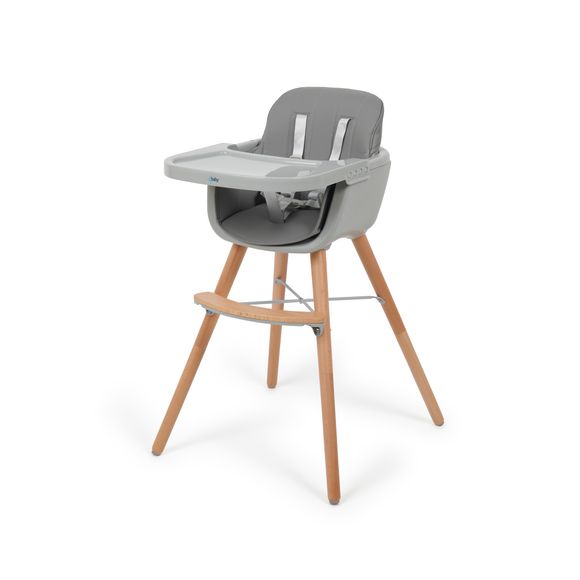
Only at Baby Bunting
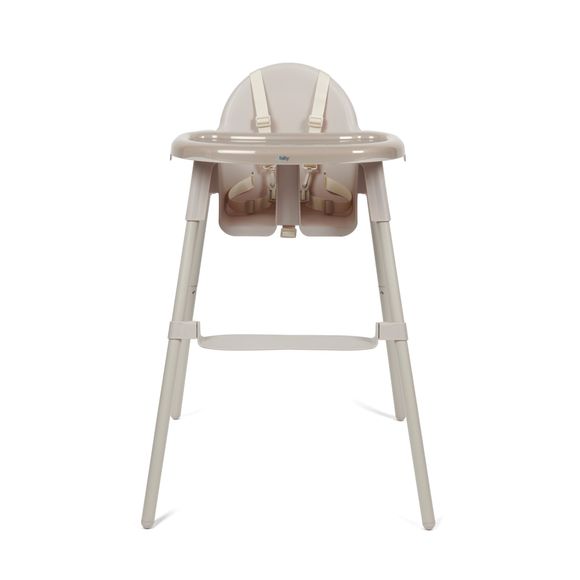
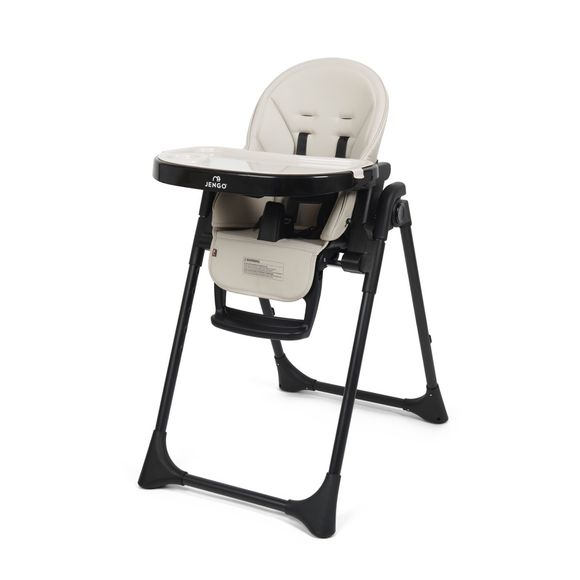
4Baby Easy Highchair Cashmere
$29
Life moves fast with a baby. One minute you’re learning how to breast- or bottle-feed your squirmy, cherubic newborn and the next minute they’re starting to eye up your morning toast. If your baby is ready to start eating solid foods for growth and development – usually by the time they’re 6 months old – you might like to try baby-led weaning.
Here’s what you need to know to get started, plus some easy baby led weaning recipes to try.
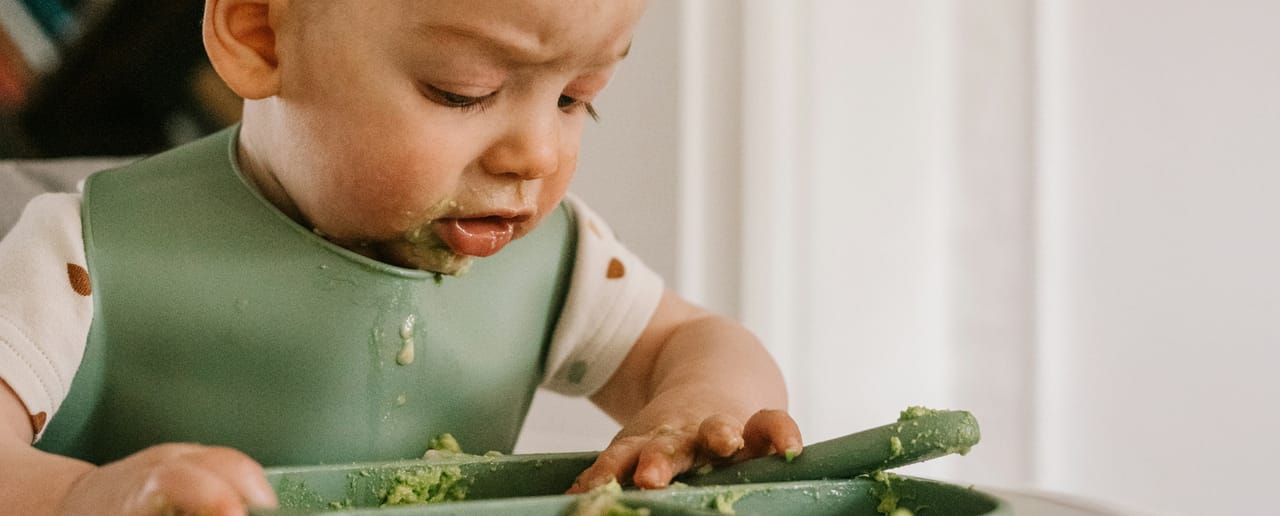
Baby led weaning is offering your baby solid foods they can handle and feed themself, rather than always spoon-feeding them pureed or mashed food. It’s a bit of a misnomer, because baby led weaning doesn’t involve stopping giving your baby formula or breastmilk, which is still their main source of nutrition until they’re around 12 months old.
Baby led weaning offers several advantages for both babies and parents:
If your baby is bringing a lot of objects to their mouth and can sit up, they’re probably ready to start baby-led weaning.
Start with safe, soft foods. “The best finger foods tend to be fruits and veggies cut into big pieces, about the size of one-to-two adult fingers,” says Kyla. “They should be overcooked so that when you press them gently between your finger and thumb, they start to break apart. The texture needs to be soft so young babies can move it around in their mouth and swallow it.” She suggests sweet potato, pumpkin, avocado, apple or pear, as easy starter foods.
Make sure you include iron-rich foods. At around 6 months, babies start to run out of the iron stored from the womb; which is a key reason for starting solids. “Most of those soft baby led weaning foods are not good sources of iron, so it’s helpful to offer babies a combination of finger foods and spoon-fed foods,” explains Kyla. For example, purees containing high-iron foods such as meat, fish, chicken, eggs and legumes.
Gradually increase your baby’s solid food intake. As your baby gets older, the pieces of food can be smaller and less soft. Between 9 and 12 months old, babies develop the pincer grasp: holding small objects (such as peas) between their thumb and forefinger. Slowly increase your little one’s solid-food intake so that by 12 months, they’re having three meals a day.
Baby-led weaning is safe provided your baby has good head and neck control and can sit up; always sit them at the table, in their highchair, they shouldn’t crawl around while eating. Supervise your baby and avoid giving them foods that can cause choking, such as whole grapes, whole cherry tomatoes or nuts.
On that note, Kyla recommends introducing common allergens, such as peanut and egg, before your baby's first birthday. “Evidence shows this can actually help prevent allergy,” she explains. These allergens include:
Avoid serving any of them together the first time, because if your baby has a reaction, you may not know what caused it. “You wouldn’t introduce peanut butter and yoghurt together, for example,” explains Kyla.
Don’t give infants honey before they’re 12 months old, since it can contain botulism spores. Try to skip the salt and sugar when preparing your child’s meals too.
For some babies, having a parent sit in front of them encouraging them to eat can be intimidating, says Jessica. “I've seen little ones back away from the food or avoid eye contact with their caregiver. For these bubs, I often recommend sitting to the side of your baby at mealtimes and giving them more time and space to interact with food before they pick it up.”
But not too much time, Jessica warns, as some babies can tire quickly. Tune into their cues on when they are finished or uninterested in the food and try again next mealtime.
“If your baby gets to about nine months and they're showing no interest in eating despite your best efforts, check in with your GP,” adds Kyla.
Monitoring your baby's progress with baby-led weaning helps ensure they're developing eating skills appropriately while getting adequate nutrition.
Initially, most food will end up on the floor rather than being eaten. This is normal because your bub is exploring new textures, practicing their pincer grasp, and understanding how to move food around their mouth.
Watch for your baby bringing food to their mouth more consistently, developing better hand-eye coordination, and showing interest in different textures and flavours.
Contact your GP if your baby shows no interest in food by 9 months, consistently gags or chokes on appropriately soft foods, or if they're losing weight or showing signs of nutritional deficiency.
Try these easy-peasy finger-food recipes by Jessica Beaton and the One Handed Cooks team.
Makes 8 cakes Prep time 15 minutes Cook time 10 minutes
Ingredients
200g can pink salmon, drained, bones removed and flesh flaked
2 medium zucchini, grated, squeezed of excess moisture
½ cup ricotta cheese
1 tbsp finely chopped dill or parsley
1 tsp finely grated lemon rind
2 slices multigrain bread, crusts removed and cubed
1 egg, lightly beaten
pepper to taste
½ cup breadcrumbs
olive oil or rice bran oil to fry
Method
Servings 12 Prep time 15 minutes Cook time 10 minutes
Ingredients
1 cup water
½ cup quinoa
500g lean beef mince
1 brown onion, chopped
1 clove garlic, crushed
1 cup button mushrooms, roughly chopped
1 egg
1 tbsp wholegrain mustard
1 tbsp olive oil or rice bran oil to fry
Method
Servings 1 Prep time 5 minutes Cook time 5 minutes
Ingredients
1 piece of bread, sliced into 'fingers'
1 ripe banana
60 ml of your baby’s usual milk (breastmilk/formula/cow’s milk)
Sprinkle of cinnamon
Method
Baby led weaning is a natural, enjoyable way to introduce solids that builds independence and motor skills. Start slowly, stay patient with the mess, and remember that exploration is just as important as eating in those early months.
Introducing new foods to watch for allergic reactions. This helps identify which food caused any reaction.