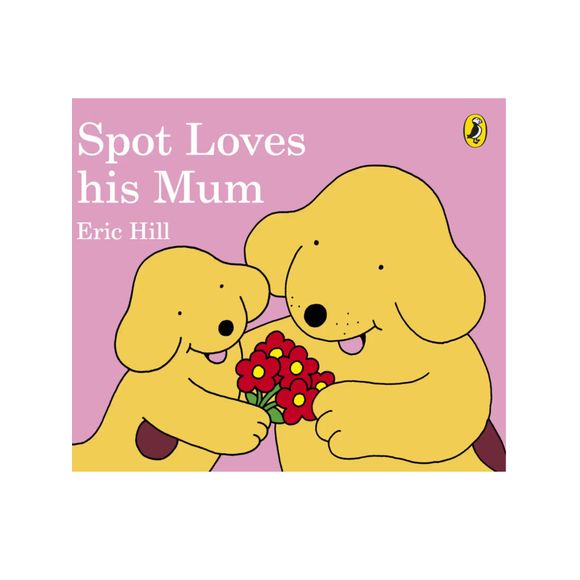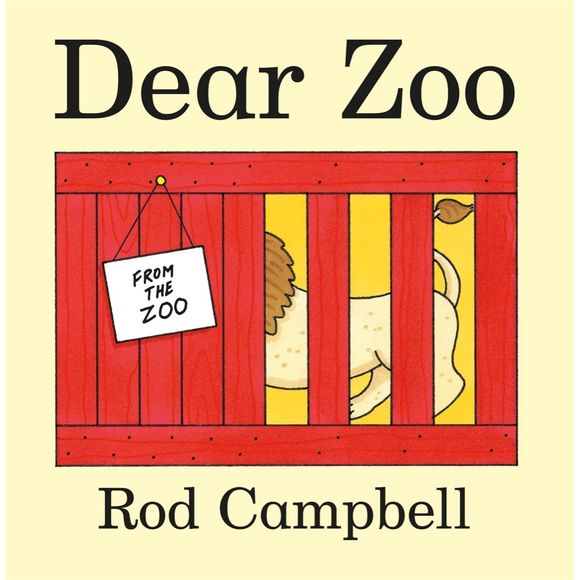

Spot The Dog Spot Loves His Mum Book
$12.74
$14.99
SAVE $2.25
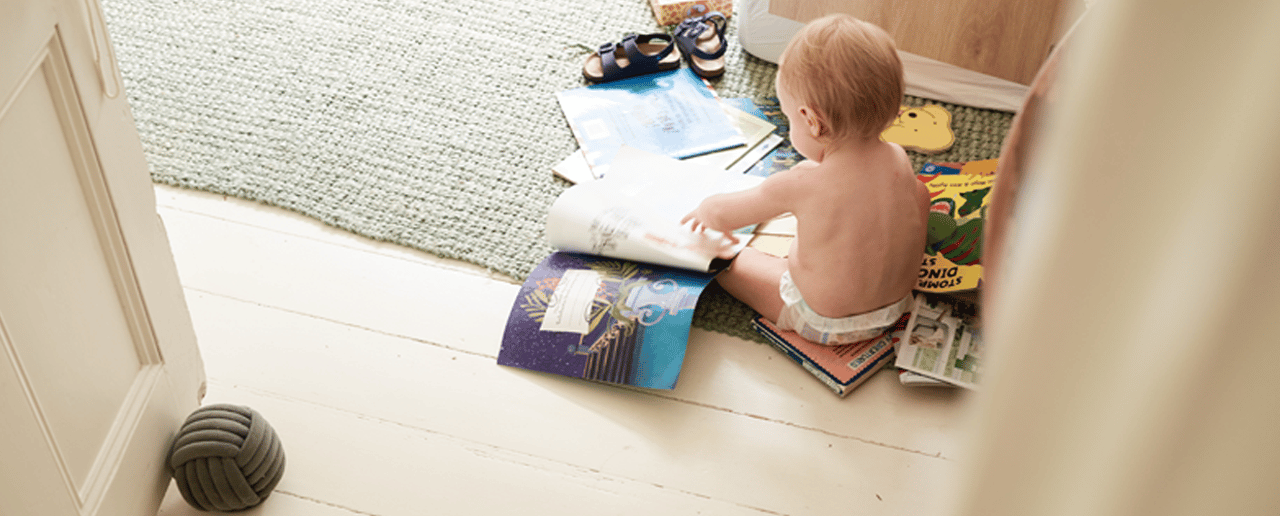
To get the benefits of reading books to babies and young children, it’s never too soon – or too late – to start
Reading aloud supports healthy development, boosts cognitive development, building language skills and helping young children understand social interactions
Having the right books for your child's age helps keep them engaged in storytime
Here’s a question every new parent asks: ‘when’s the right time to start reading to my baby?’, and here’s the answer: it’s never too early. While your baby might not speak their first words until about the 12 month mark, they’re always listening and developing speech and language skills. That means you can make reading part of your baby’s day from the very beginning, and there are countless developmental, social and emotional reasons why it’s a good idea.
As well as helping babies understand words and speech patterns, reading aloud to them also builds cognitive and socialisation skills. Here are some of the benefits of making storytime part of your day:
Books are language building blocks: Reading aloud helps kids become more familiar with sounds, sentence structures and word patterns. It expands their vocabulary, too.
Reading aids cognitive development: The repetitive nature of reading aloud teaches listening and memory skills, trains concentration and aids in critical thinking.
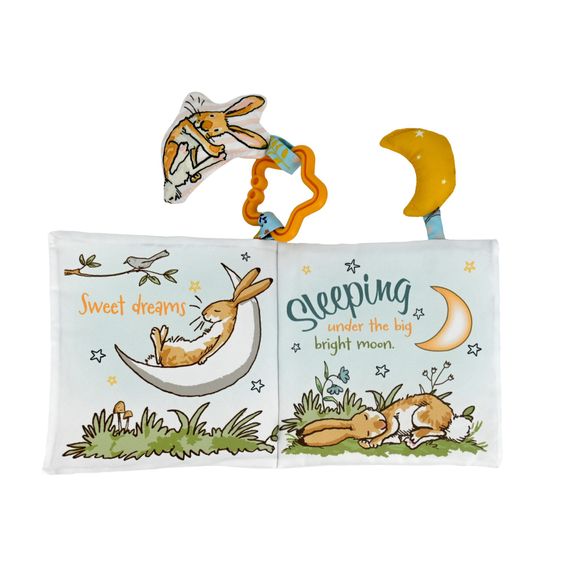
It hones fine motor skills: As your baby gets older, they can hold the books and turn the pages, all of which helps with the development of their fine motor skills. For smaller kids, tactile books – with flaps, fabric and different materials – help with grasping and gripping.
Stories spark curiosity: Storytelling teaches your baby the difference between ‘real’ and ‘make-believe’ and starts them on a path to becoming more curious.
Books teach social and emotional lessons: Stories give words to emotions, helping instill empathy in your child.
This time strengthens your bond: Having a dedicated reading time – where you and your baby sit quietly together – reinforces your bond and creates a safe environment for your baby .
It gets kids school ready: The pre-reading skills your child learns at home will serve them well when they head to school, and is one of the important reasons why reading books is important at a young age. They’ll already understand that letters make words and reading goes left to right.
You and your baby will find a reading routine that works for you but here are some tips to help smooth the way.
Make reading part of your routine To help your baby get familiar with the reading routine, set aside the same time every day. Due to its calming nature, reading can be a good part of the bedtime routine but find a time that works for you.
Minimise distractions Turn off the TV and put down the phone. This will help you and your baby concentrate on the book and enjoy the activity.
Arrange yourselves in a triangle Position yourself, your baby and the book in triangle shape so your baby can see your facial expressions and observe how your mouth forms sounds.
Follow their lead The aim here isn’t getting to the end of the book – the goal is to spend time reading together. If they want to keep going back to the same page, that’s fine. Learning stories helps with memory development.
Put on a show Using funny voices, singing and making sounds will keep your little one engaged and entertained.
Let them choose the book Older kids will stay engaged longer if you let them pick the books you read each night.
Talk about the book To help toddlers understand books and form new word associations and meanings, talk to them about what’s happening in the book as you go. Discuss what the book was about at the end, too – making sure they understand the book is one of the ways to get the full benefits of reading to children.
Don’t overdo it If your child is losing interest, don’t force it. Reading is meant to be fun – if they’re getting distracted, finish up and try again tomorrow.
Books for newborns are simple, full of contrasting colours and may feature different textures and materials. The experience of seeing and feeling that picture books for infants offer helps your little one build up a series of connections between stimuli, context, intent and meaning. Some of the best books for infants focus on simple objects and remember, repetition will play a big role.
As your kids grow the type of books they like will naturally change and you need to pick books that challenge them and move them to the next level. Here’s a guide to the best types of books for every age.
Books for newborns are simple, full of contrasting colours and may feature different textures and materials. The experience of seeing and feeling that picture books for infants offer helps your little one build up a series of connections between stimuli, context, intent and meaning. Some of the best books for infants focus on simple objects and remember, repetition will play a big role.
Stories for toddlers often introduce a range of everyday objects and processes. Books may have additional complexity, such as different moving parts and pictures that are hidden under flaps. These books may also depict experiences that are familiar to your toddler, such as playing in the bath or going to the park. Reading stories that mirror their own life gives kids the chance to compare reality and fiction.
One of the other benefits of reading books for toddlers is it helps with educational development. Concepts such as basic counting may be introduced, and your toddler may be able to recognise words and say them aloud. These books will help prepare them for school.
One of the core aspects of books for young readers is that they introduce characters navigating social situations. This is a way of reflecting the experiences your child may be having in their own life, and it helps to create understanding, empathy, and give words to emotions.
Your child may be able to read parts of or the whole book at this point. Even if they’re not reading fully, they will soon be able to make the connections between the pictures and spoken words. Your child may ask you questions about why characters did this, or how they did that. You can also ask your child questions about the characters to encourage their imagination and empathy.
Remember, books don’t all need to be fiction either – reading with kindergarteners especially can move to fun non-fiction books. If your child is interested in animals, dinosaurs, machines or maybe outer space, find books on these topics to keep them engaged.
There are lots more books to discover at Baby Bunting. Explore the range with your children as they grow.
It’s best to be guided by your baby. They’ll be more engaged as they get older – start with a few minutes a day and build up as they grow.
Yes! Reading helps babies understand words and grow their vocabulary
The best storytime story is one that keeps them engaged. Pick books that are suitable for your baby’s age group and change them as they develop. For younger children, books with colourful pictures and different textures will help keep them engaged. Reading in funny voices, singing and asking them questions as you go will also help.
It’s never too soon or too late to start – you can start reading to babies as soon as they’re born ( or even before they’re born). It’s a crucial way they learn language skills.
Yes, you can read to your baby as soon as they’re born, even when they don’t understand words. Hearing you read out loud and watching the shape your mouth makes as they read, is important for language and communication development.
It doesn't have to be a nighttime activity but you should read to your baby every day. Find a time that works for you and your baby.