

Only at Baby BuntingOnly at Baby Bunting
4Baby Long Sleeve Sleeping Bag 1.0 Tog Safari Size 3-12 Months
$39.99
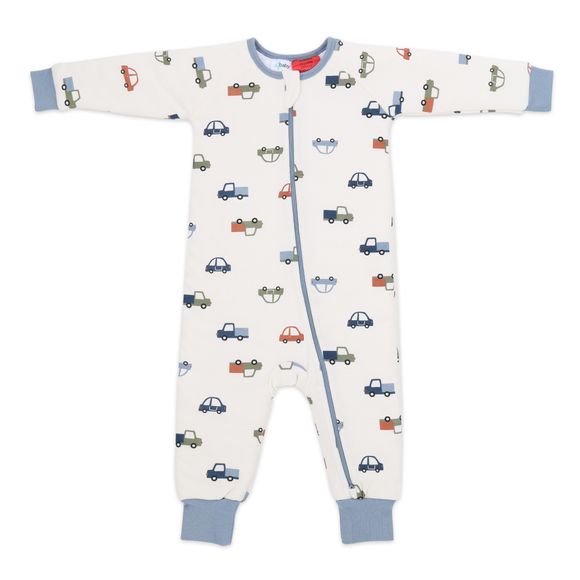
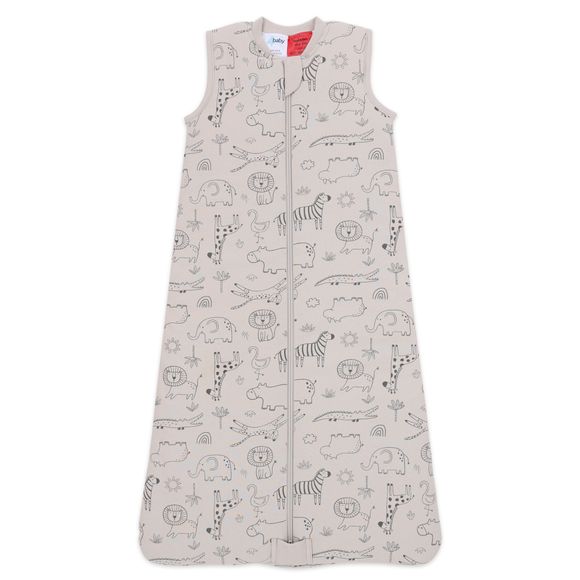
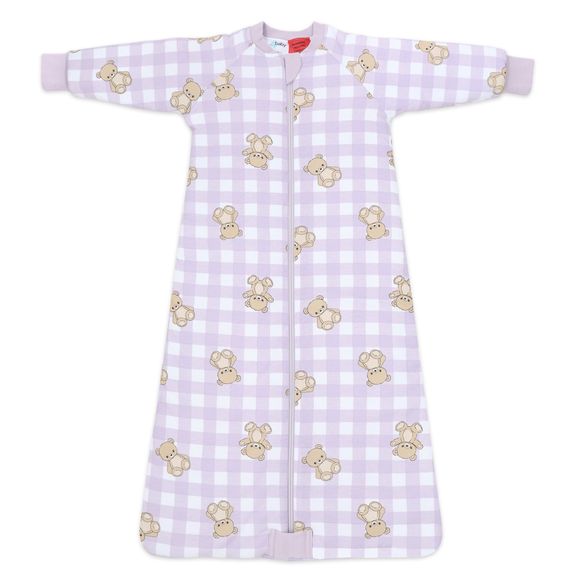
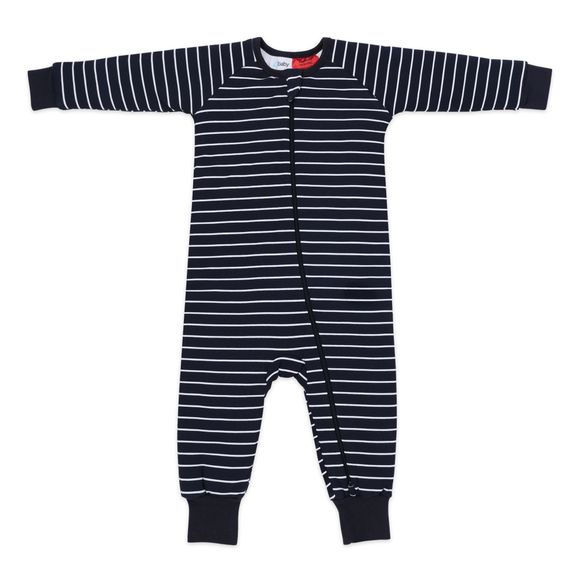
Baby sleeping bags and sleep suits keep your little one cosy and safe without loose blankets
They may help reduce SIDS risk as they are designed to prevent face covering and overheating
TOG is a rating system that helps you to choose the right warmth for each season
Sleeping bags are wearable blankets, while sleep suits are all-in-one outfits
The right size and material makes all the difference for comfortable sleep.
Babies can struggle with regulating their temperature, so it’s important to keep an eye on how comfortable they are when sleeping. This is where a sleeping bag or sleep suit can come in. Sleeping bags and sleep suits are game-changers for safe, comfortable sleep. They keep your baby warm without the risks of loose blankets, supporting safe sleeping for newborns.
Key benefits:
Safer sleep - No loose blankets that could cover baby's face or cause overheating
Better comfort - Baby stays covered all night, even when rolling or kicking
Temperature control - TOG ratings help you choose the right warmth for the season
Easier bedtime - No tucking in or re-covering throughout the night.
| Feature | Sleeping Bag | Sleep Suit |
| Design | Like an adult sleeping bag bit with armholes or sleeves, with a central zip. | Like a sleeping bag but with sewn arm and leg sleeves |
| Coverage | Whole body covered with just arms exposed but warmer designs have long sleeves to cover whole body with only head exposed | Full body coverage but some cooler designs allow for exposed arms |
| Mobility | Low to none as sleeping bags without leg sleeves, hinder walking and crawling | Good, as leg sleeves are part of the design and allow for movement without being a tripping hazard |
| Best For | Sleeping infants and young toddlers who are still in a cot | Sleeping toddlers who are sleeping in a bed and have adequate mobility to enter and exit on their own |
| Temperature | Choose by TOG rating | Choose by TOG rating |
| Ease of Use | Quick zip access for nappy changes | Quick zip access to allow ease of pulling suit down to use a toilet or potty or change nappy |
Sleeping bags and sleep suits are part of our wider bedding range for baby sleep.
Newborn (0-3 months): Sleep suits with fold-over mittens prevent scratching and they have with their arms fastened in or down to prevent their startle reflex from waking them up (making them feel much safer).
3-6 months: Standard sleeping bags work well. Choose with or without arm coverage (depending on temperature and bub's preference).
12+ months: Sleeping bags with ample leg room
TOG 0.2-0.5: Ultra-light for hot summer nights or warm rooms (24°C+)
TOG 1.0: Light layers for mild weather and spring/autumn (20-24°C)
TOG 2.5: Standard year-round option for moderate temperatures (16-20°C)
TOG 3.5: Warmest option for cold winter nights (below 16°C)
Check your nursery temperature and adjust baby's clothing underneath accordingly. When in doubt, feel your baby's back or stomach (they should feel warm but not sweaty).
Cotton, Bamboo and Merino wool: Breathable, soft, and easy to wash. Perfect for sensitive skin and everyday use.
Organic cotton: Chemical-free and gentle on delicate skin. Great for babies with eczema or sensitivities.
Jersey/knit: Stretchy and comfortable. Feels soft like a favourite t-shirt.
Zip sleeping bags: Full-length zips make nappy changes easy without removing the whole bag. Two-way zippers are brilliant for bottom access.
Swaddle transition bags: Have removable wings or arm options to help babies transition from swaddling.
Sleep suits with feet: Built-in feet keep toes warm without separate socks (that always go missing!).
Sleeveless vs. long-sleeved: Choose based on room temperature and what baby wears underneath.
Baby sleeping bags and sleep suits keep your little one cosy and safe without loose blankets, as part of the real baby sleep essentials. Choose the right TOG for your climate, pick breathable natural fabrics, and always check your bub isn't too hot or cold. Sweet dreams for everyone!
TOG measures warmth (for example the higher TOG means warmer). Choose the right TOG based on room temperature: 0.5 for summer, 1.0 for mild weather, 2.5 for year-round, 3.5 for winter.
They can be safer than loose blankets and are designed to keep your bub at a consistent temperature all night (which can be great to avoid unnecessary wake ups due to temperature!). Many parents use them over regular sleepwear for layering.
Most are machine washable (but we always recommend checking the manufacturer’s instructions). Wash according to care labels, usually gentle cycle with baby-friendly detergent. Avoid fabric softener as it reduces breathability.
No, it's one or the other. Once your adorable little dreamer starts rolling, stop swaddling and transition to a sleep suit or sleeping bag with arms free.
2-3 is ideal so you always have a clean one while washing, which aligns with guidance on how much baby linen you really need.
For TOG 2.5 in a 18-20°C room, just a nappy and singlet or light bodysuit. Warmer rooms need less, colder rooms need more. Feel your bub's back or stomach to determine what they need (they should be warm but not sweaty).