


Little Bamboo Lovie/Comforter Terry The Turtle
$16.96
$19.95
SAVE $2.99



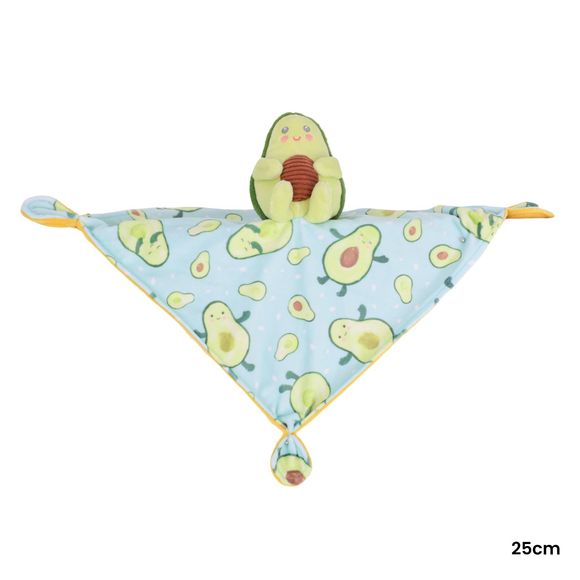
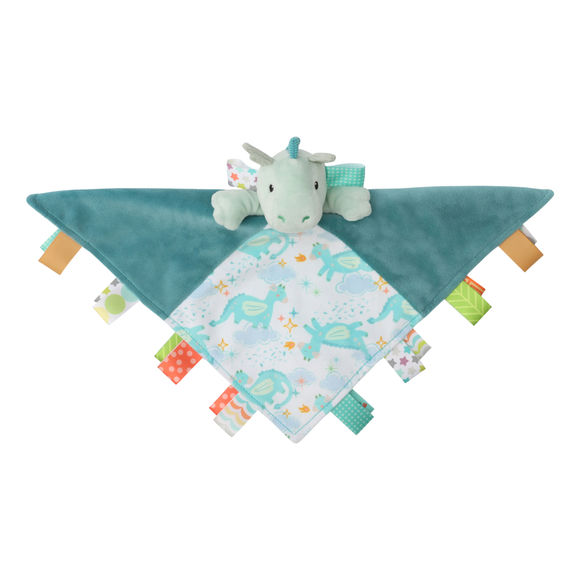
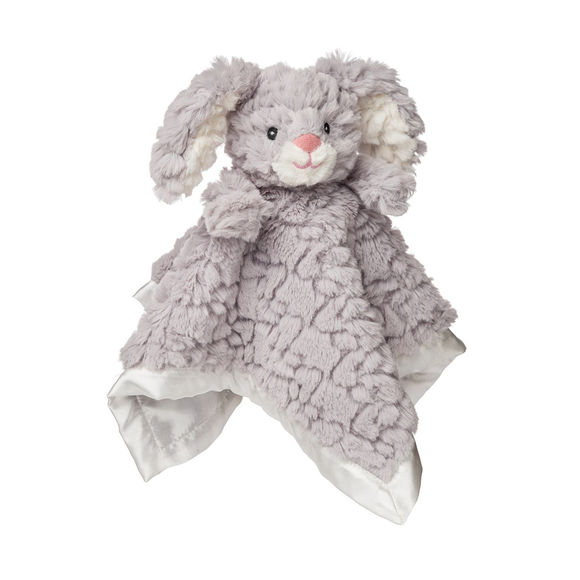


.png?quality=80&format=webp&width=3840)
Security blankets provide emotional comfort and help your bub self-soothe
Can be used from around 12 months as a safe sleep companion
Become cherished keepsakes and treasured childhood memories
Help with transitions like daycare, travel, and bedtime routines
Choose soft, washable fabrics that are safe and easy to care for.
A security blanket is a small, soft blanket that becomes your bub’s special comfort object. Half the joy of buying one is giving it a name (we recommend Pooky, Blankie and Bo Bo). These simple pieces of fabric transform into cherished companions that help children feel safe, and eventually become treasured keepsakes tucked away in memory boxes for decades.
Security blankets offer genuine developmental and emotional support:
Emotional comfort – Provides reassurance during stressful moments, separation from parents, or new experiences. Helps babies learn to self-soothe, an important emotional skill.
Sleep support – The familiar scent and texture signal bedtime, helping babies settle more easily. Many parents incorporate security blankets into their bedtime routine alongside safe sleeping practices and other calming rituals like gentle baby massage.
Familiarity at home and on-the-go – Brings a piece of home to unfamiliar places. The same blanket that comforts at bedtime works magic in the car, at Nanna's, or during doctor visits.
Transition aid – Makes big changes less scary. Think starting daycare, moving to a big bed, or overnight stays away from home. Having their special blanket along helps children feel brave.
Consider these factors when selecting a security blanket:
Age suitability – Security blankets are safe from 12 months onwards when used in sleep. Before 12 months, they can be used during supervised awake time but must be removed for sleep to follow safe sleep guidelines.
Fabric & materials – Soft, breathable fabrics like cotton, bamboo, or fleece work best. Choose materials that feel lovely against skin and hold up to constant washing. Natural fibres are gentler for sensitive skin.
Size & portability – Smaller blankets (around 30-40cm square) are easier for little hands to hold and carry everywhere. They also fit in nappy bags for outings.
Easy to replace – Buy two or three identical blankets. When "Blankie" inevitably needs washing or gets lost, having a backup saves meltdowns. Rotate them so they wear evenly and smell the same.
Machine washable – Security blankets get loved hard! They need frequent washing. Choose durable fabrics that maintain softness through repeated washes.
Security blankets aren't safe in cots under 12 months. We always recommend you use safe sleep essentials and swaddling (which may need to stop before 12 months - depending on development) instead. From 12 months onwards they're safe for sleep. Wash weekly with gentle detergent and check regularly for loose threads or holes that could pose choking hazards. Repair or replace as needed.
Years from now, that tattered, well-loved blanket might sit in a memory box, or get passed down to the next generation, or show up in wedding speeches. Security blankets are small things that become big memories and a beautiful yet tangible reminder of when your child was small, safe, and reaching for comfort in a simple square of soft fabric.
Common nicknames include "blankie," "lovey," "baba," "silky," or names based on colour like "Blue" or "Pinky." Many children create their own unique names and these personal names often stick for life and become part of family lore.
You can introduce security blankets during supervised awake time from around 6 months, but they shouldn't be used for sleep until 12 months. Most children naturally attach to comfort objects between 8-12 months as they develop object permanence and begin understanding separation.
For supervised awake time and play, from around 6 months. For sleep, wait until 12 months to ensure safe sleep practices. Understanding your baby's sleep cycle can also help you introduce comfort objects at the right developmental stage.
Yes, from 12 months onwards when babies have developed motor skills to move objects away from their face. Before 12 months, remove all blankets, toys and loose items from the cot to reduce SIDS risk.
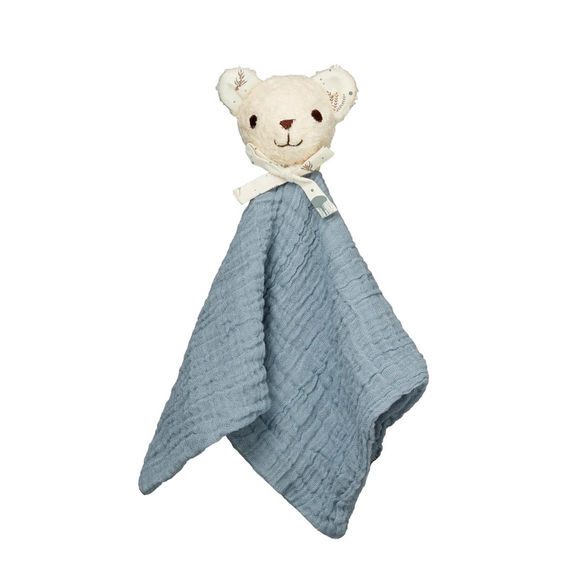
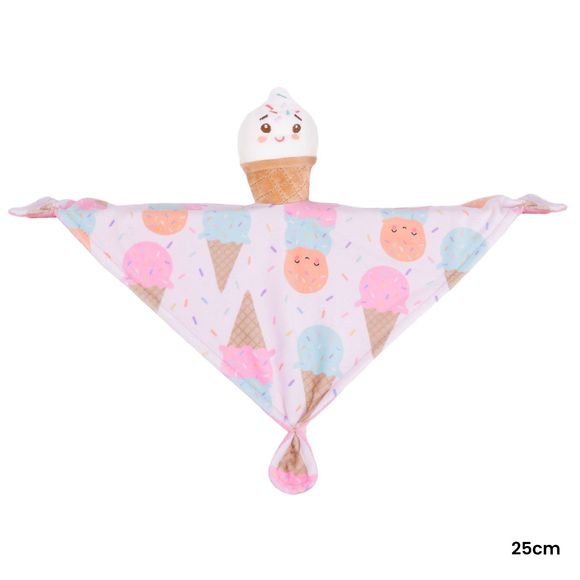
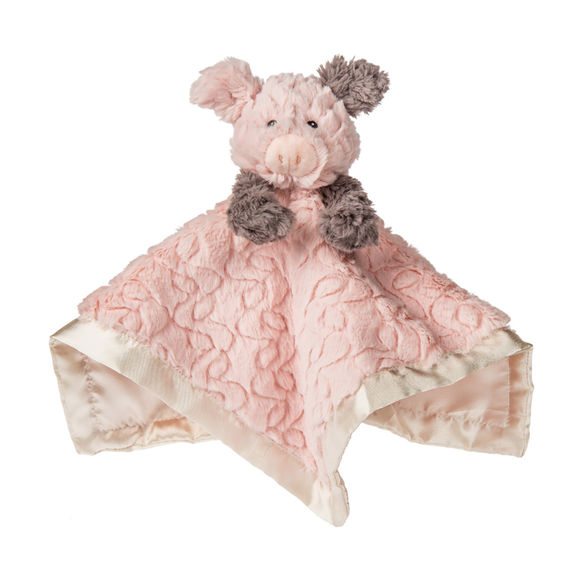
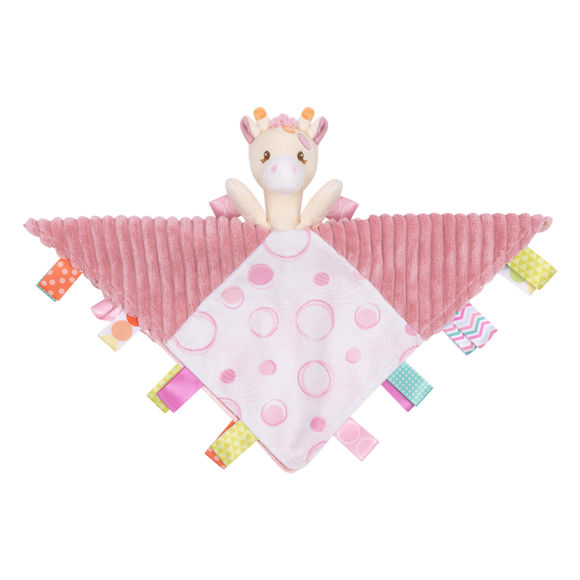
A lovey typically has a small stuffed animal head attached to a small blanket. A security blanket is just fabric. Both serve the same comfort purpose. It's purely about what your child prefers.
Buy 2-3 identical ones. Trust us on this. Losing the one and only ‘blankie’ can be disastrous. Rotate them regularly so they wear evenly, smell the same, and look similar. When one needs washing or gets lost, having a backup prevents any meltdowns. Some parents keep one hidden as an emergency spare.
Machine wash on gentle cycle with mild, fragrance-free detergent. Wash weekly or more often if needed. Air dry to preserve softness, or tumble dry low.