


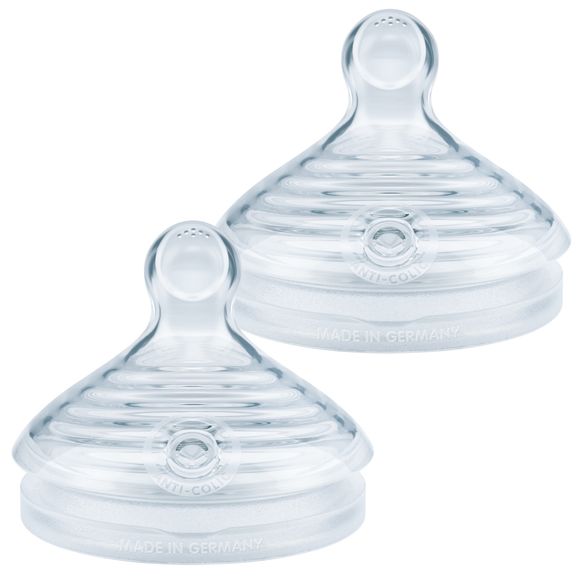
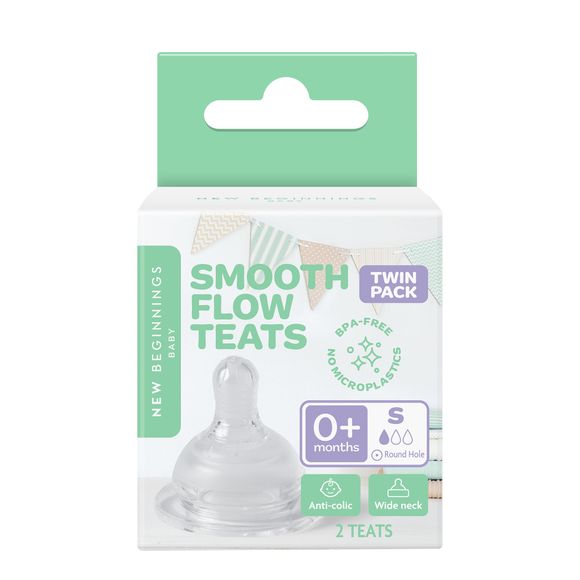
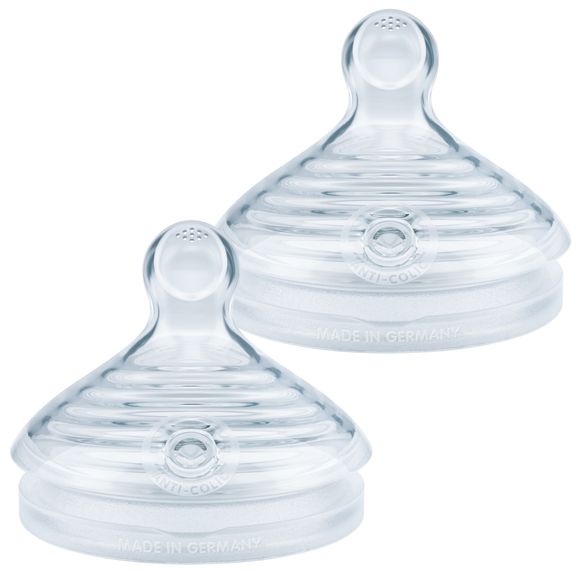
Nuk Perfect Match Silicone Teat 6M+ - 2Pack
$9.59
$11.99
SAVE $2.40
4.5 out of 5
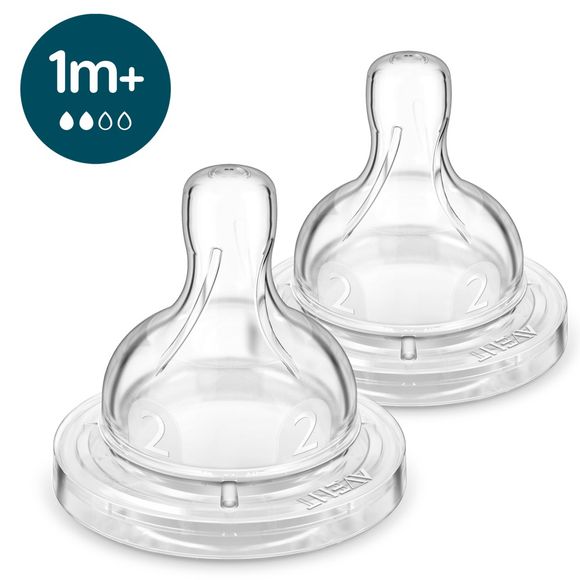

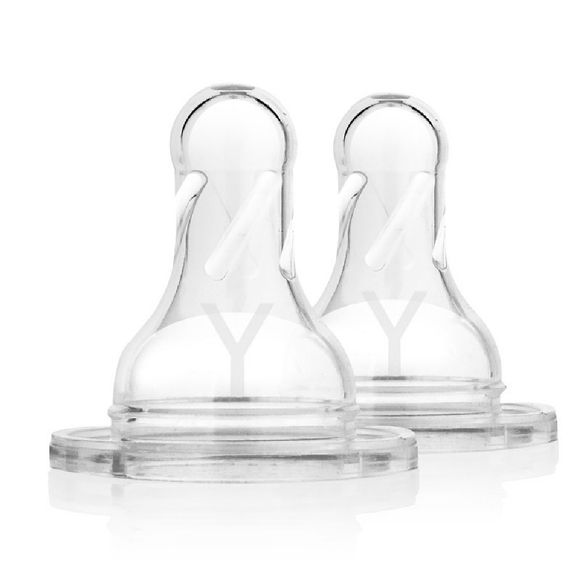


.png?quality=80&format=webp&width=3840)
Bottle teats come in different shapes, flow rates and materials to suit your baby's needs
Natural teats mimic breastfeeding, while classic teats offer traditional bottle feeding
Flow rates range from newborn (slow) to fast flow for older babies
Silicone teats are durable and easy to clean, latex teats are softer and more flexible
Replace teats regularly and sterilise after each use for safe feeding.
Bottle teats are the nipple part of the bottle that your baby drinks from. Whether you're bottle feeding formula, expressed breast milk, or doing a bit of both, the right teat makes feeding comfortable for your baby and straightforward for you. Teats control milk flow, support your baby's latch, and grow with them as their feeding needs change. Whatever your feeding journey looks like, finding the right teat is about what works best for you and your little one.
Natural Teats are designed with a wide base and breast-like shape to mimic breastfeeding. They're popular for babies who are mixed feeding or transitioning between breast and bottle.
Classic Teats have a traditional narrow base and are suited for babies who are exclusively bottle feeding. They may beeasier for babies to latch onto and come in various flow rates.
Feature | Natural Teats | Classic Teats |
Teat Shape | Wide base, breast-like shape | Narrow base, traditional shape |
Latch Style | Wider latch, mimics breastfeeding | Narrower latch, traditional bottle feeding |
Breastfeeding Compatibility | Designed for easy breast-to-bottle transition | Recommended for exclusive bottle feeding |
Flow Control | Often has anti-colic venting | Standard flow control |
Suitable Age Range | Newborn through toddler | Newborn through toddler |
Bottle Compatibility | Requires compatible natural bottles | Works with most classic bottles |
Best For | Babies switching between breast and bottle | Babies who prefer traditional bottle feeding |
Teats come in different flow rates to match your baby's age and feeding ability:
Newborn/Slow Flow (0-3 months) – Slower milk flow for younger babies still learning to feed
Medium Flow (3-6 months) – Moderate flow as baby's feeding strengthens
Fast Flow (6+ months) – Faster flow for older babies who feed more efficiently
Variable Flow – Allows baby to control flow by adjusting how they suck
Start with a slower flow and move up as your baby grows. If milk is flowing too fast (baby coughs, sputters, or milk leaks), go back to a slower flow. If feeding takes too long or your bub seems frustrated, try the next flow up.
Clean teats after every feed and sterilise regularly, especially for babies under 12 months. Wash teats in warm soapy water, rinse thoroughly, then sterilise using steam, boiling water, or cold-water sterilising solution. Check our guide on how to sterilise baby bottles for complete instructions. Always inspect teats before use and discard any that are damaged, sticky, or discoloured.
Finding the right teat is about what works for you and your baby. Whether you're exclusively bottle feeding or mixing it up, there's no one-size-fits-all approach, just what feels right for your family.
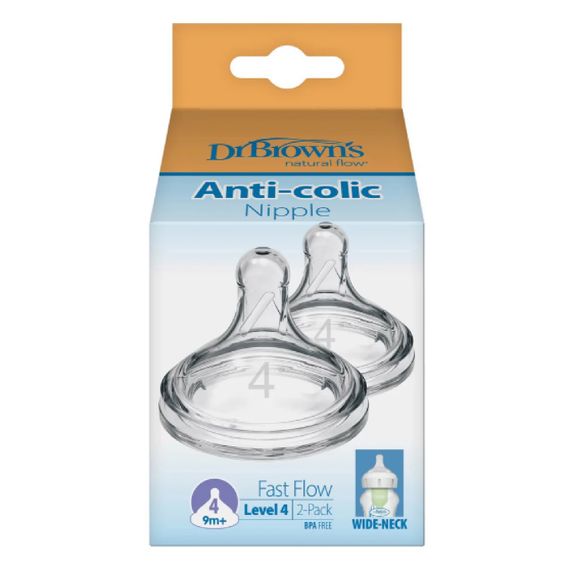
Fast flow teats have larger holes or multiple holes to let milk flow faster. They're suitable for babies 6 months and older who can handle quicker flow without choking or becoming overwhelmed.
Replace teats every 2-3 months, or sooner if they show signs of wear like thinning, tearing, stickiness, or discolouration. Also replace if milk flow seems slower than it should be.
Newborn or slow flow teats are best for newborns. They deliver milk slowly, allowing baby to feed at their own pace without being overwhelmed.
Silicone teats are more durable, don't retain odours, and are easier to clean. Latex teats are softer and more flexible but wear out faster. Both are safe so it's about what your baby prefers.
Not always. Natural teats require compatible baby bottles with wide necks, while classic teats fit standard narrow bottles. Check compatibility before purchasing.
Move up if feeding takes longer than 20 minutes, your bub seems frustrated or keeps pulling off the bottle, or they're collapsing the teat. Don't rush as some babies are happy with slower flows for longer.