Exclusive

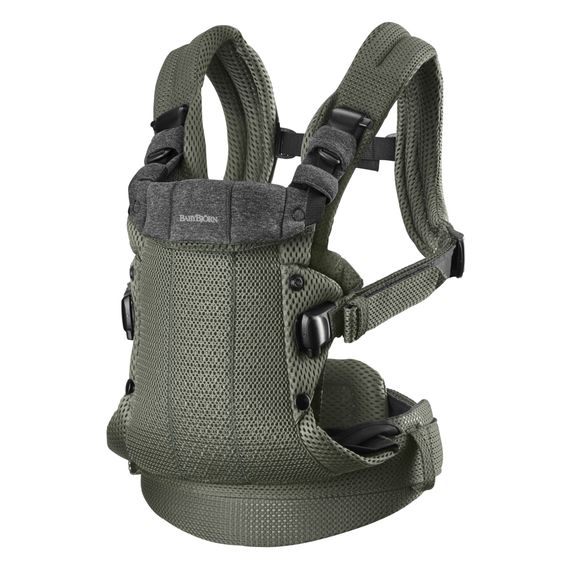
Joie Savvy Air 4-In-1 Baby Carrier Bisque
$179
$199.00
SAVE $20


Tight: Should feel snug, with no loose straps.
In view: Baby's face should always be visible.
Close enough to kiss: Able to touch their head with your lips.
Keep chin off chest: A finger's width under the chin to allow airflow.
Supported back: Back should be naturally supported.
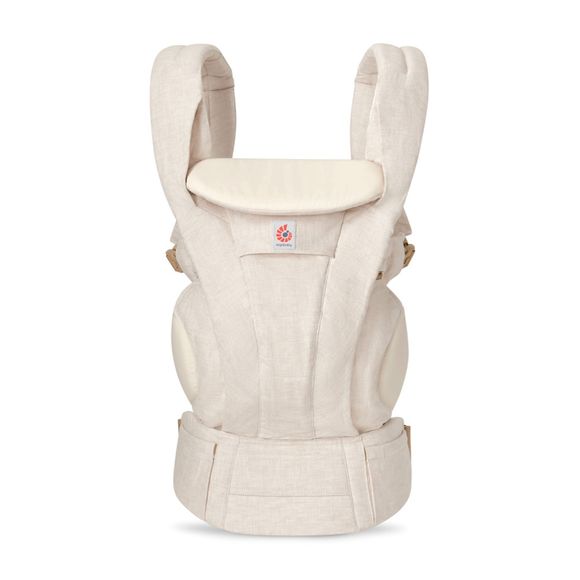
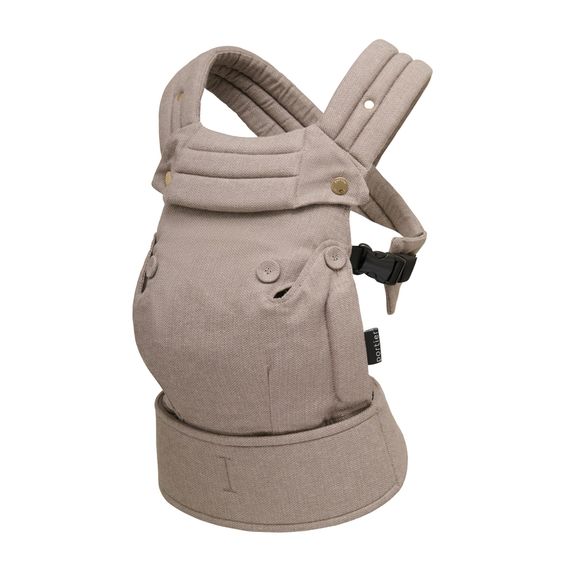
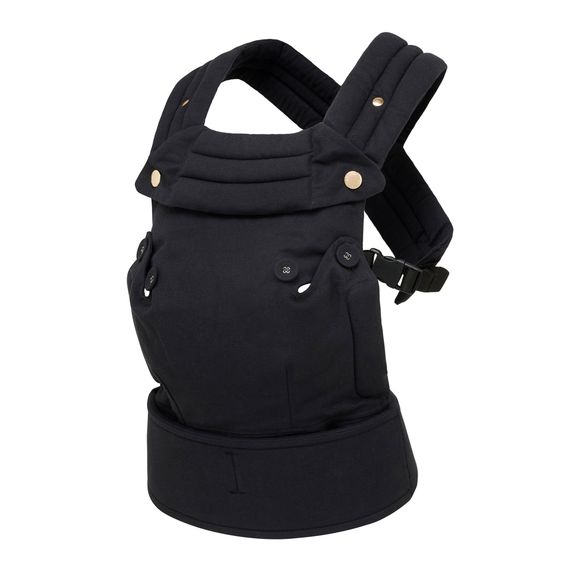
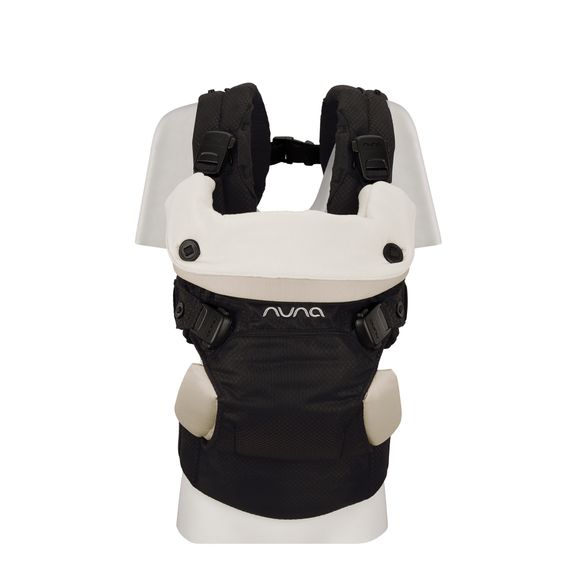


.png?quality=80&format=webp&width=3840)
Baby carriers let you bond with your baby while staying hands-free for daily tasks
Choose from wraps, slings, soft structured carriers and hybrid carriers
Consider your baby's age, weight, and your comfort when choosing
Safe babywearing follows T.I.C.K.S
Different carriers suit different body types and ages and stages from newborn to toddler.
There’s no world in which you should be doing it all, but sometimes you just gotta get stuff done. Cuddling all day is nice, but there’s also coffee, walking the dog or functioning with two hands. Baby carriers give you the best of both worlds - the closeness your bub craves and the freedom to move about.
Baby carriers come in different styles to suit various needs and preferences:
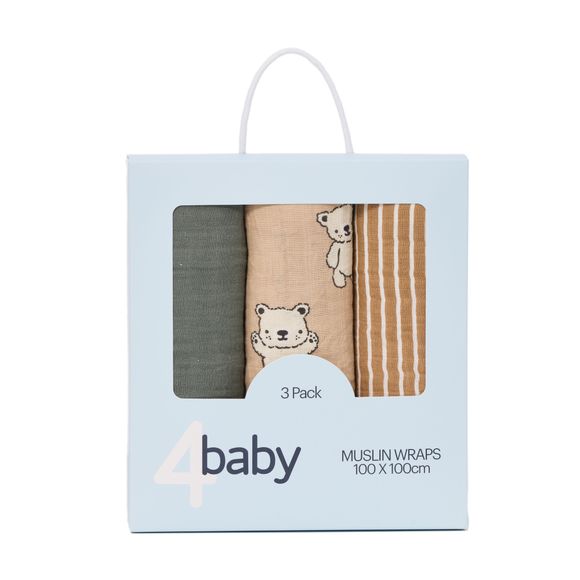
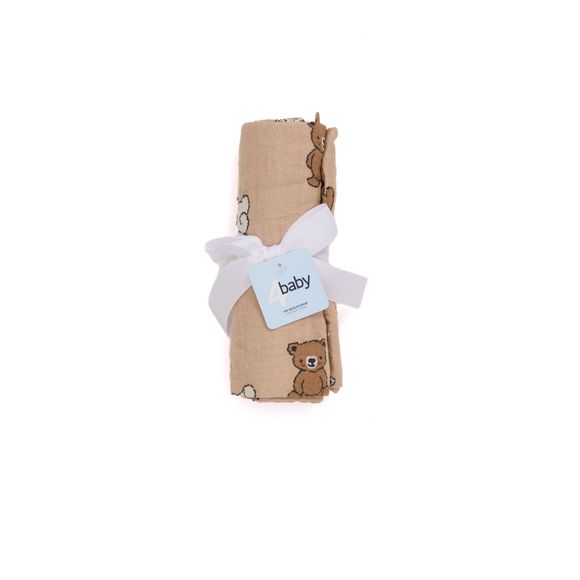
Baby Wraps –Wraps are long lengths of fabric that are wrapped and tied around the wearer’s body to support the baby.
Sub‑types:
- Stretchy wraps – elastic fabric, best for newborns and early infancy
- Woven wraps – non‑stretch fabric, suitable from newborn through toddlerhood
Key characteristics:
- Highly adjustable and custom fit
- Excellent for newborn containment and spinal support
- Allows optimal hip positioning when tied correctly
- Learning curve is higher than soft structured carriers
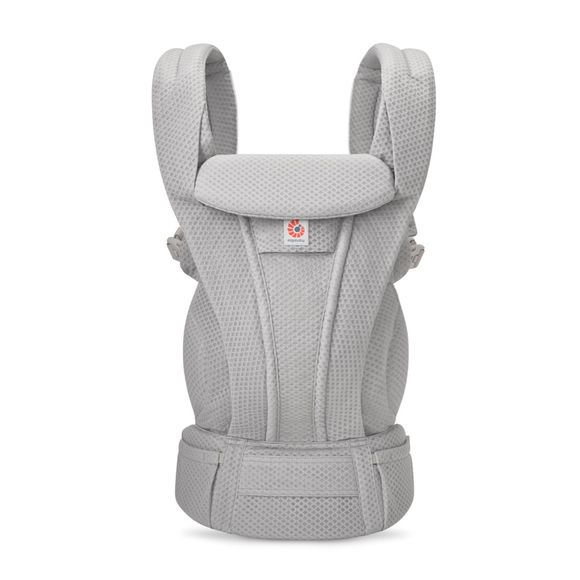
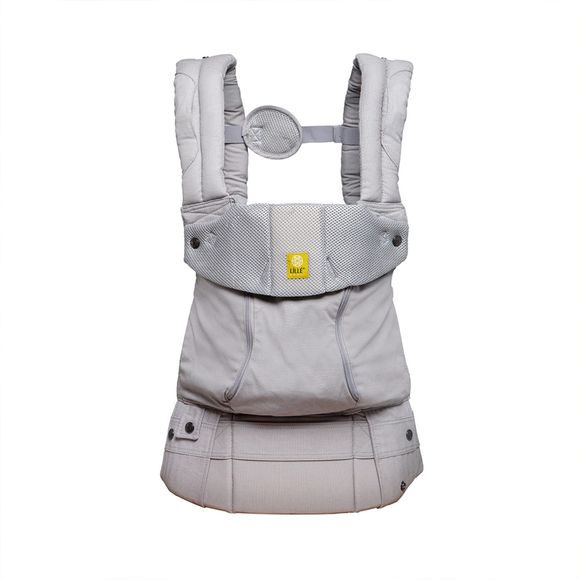
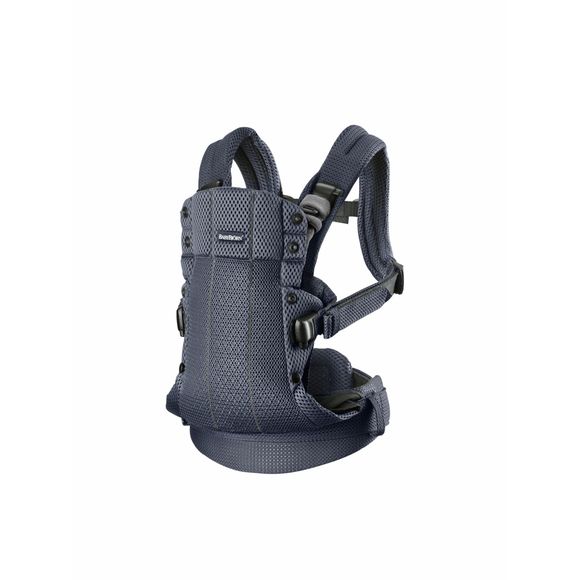
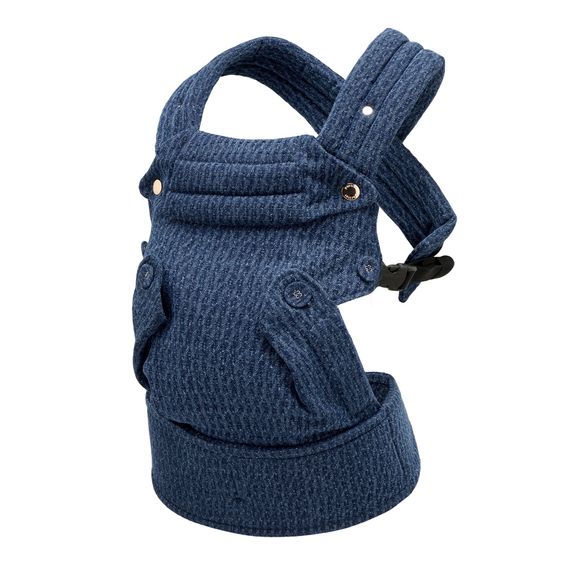
Soft Structured Carriers – Padded carriers with buckles and straps. Easy to use, adjustable and perfect for toddlerhood.
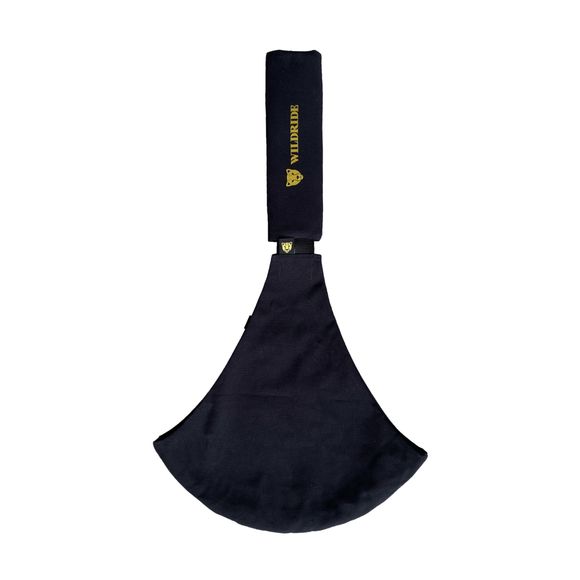
Sling Carriers – Single piece of fabric worn over one shoulder. Quick to put on, ideal for short periods and nursing.
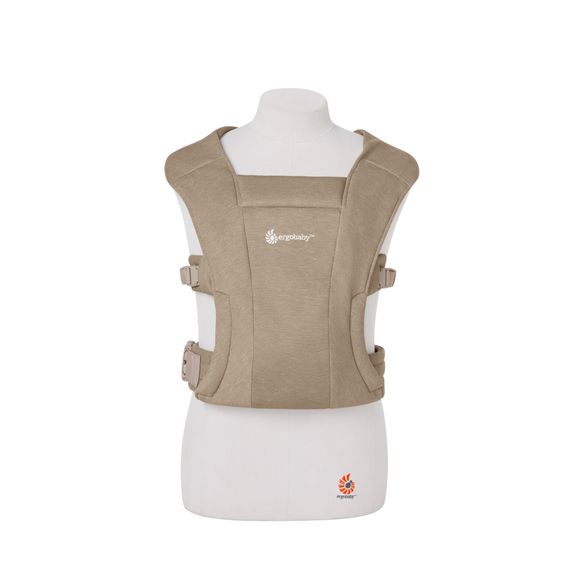
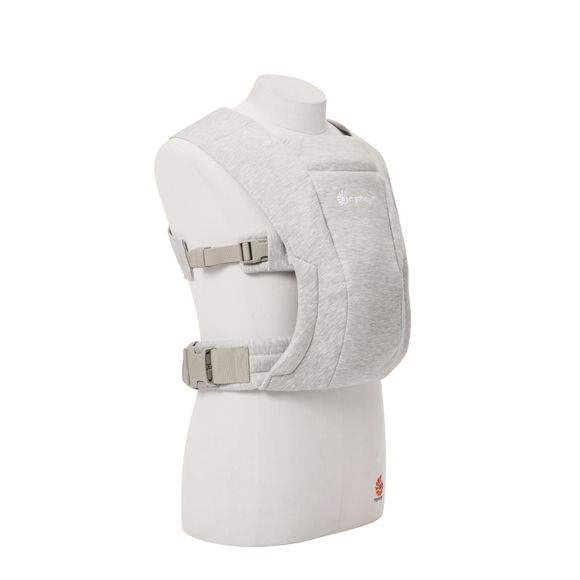
Hybrid Carriers - A hybrid carrier with a fabric panel and long shoulder and waist straps that are tied rather than buckled.
Key characteristics:
- Combines structure with wrap‑like adjustability
- Less padding than soft structured carriers
- Highly adaptable between wearers
- Folds small and travels well
Check out our favourite wraps and carriers for more guidance on which style might work best for you.
Finding the right carrier depends on your lifestyle, your bub and what feels comfortable for both of you.
Newborns need excellent head and neck support, while older babies and toddlers need carriers with higher weight limits. Typically, wraps and hybrid carriers should be used for newborns and structured carriers saved for when your bub is 4 months plus.
Carriers should distribute weight evenly across your shoulders, back, and hips. Comfort is queen here, but it’s the kind of thing that you never really know until you try it on yourself. We always recommend coming in and trying a few on.
Padded straps, lumbar support and breathable fabrics make baby wearing more comfortable for longer periods. We also recommend you take a peek at our carrier accessories like sunshades or drool pads for added comfort and protection.
Different carriers offer different carrying positions:
Front Carry (Facing In) – Best for newborns and younger babies. Keeps bub close to your chest for bonding and allows them to hear your heartbeat.
Front Carry (Facing Out) – For older babies who have strong head and neck control. Not recommended for extended periods or newborns.
Back Carry – Distributes weight more evenly and gives you better visibility. Great for older babies and toddlers, ideal for longer outings.
Hip Carry – Easy access position for toddlers. You’ve also got the convenience of a quick entry and exit for toddlers who are practising independence.
Some carriers are easier to put on solo than others. Structured carriers with buckles are generally quickest, while wraps require practice but offer incredible versatility once you've got the hang of it.
Your baby's needs change as they grow and the right carrier changes with them:
Newborn Baby Carriers – Wraps slings and hybrids. Wraps and slings offer versatility to customise head support and hybrids typically replicate this versatility well.
Baby Carriers for 4–6 Months – Most structured carriers work well once your bub has good head control. Front parent facing position should be exclusively used as head and neck control is not developed enough yet.
Baby Carriers for 6–12 Months – At this stage, your bub starts to develop stronger head and neck control. Once they can confidently sit up without slumping, hold their head up steadily and have sufficient core strength, they can be carried on the front facing outwards or on the back facing inwards for short durations. Structured carriers are most recommended for these ages and beyond because they have greater length of use as the child grows.
Toddler Carriers – Look for carriers with higher weight limits (up to 20kg+). Back carry is most comfortable for longer periods.
Follow TICKS safety guidelines: Tight (so your bub isn’t slumping), In view means your baby’s face is in view at all times, Close enough to kiss, Keep chin off chest, Supported back (so your bub is in a natural position, not slumped or forced into unnatural posture. Baby's legs should be in an "M" position with knees higher than bottom, with thighs supported by the carrier, right up to the knee. For more, take a squiz at our guide on how to keep your baby safe when you need your hands free.
The right carrier makes life with a baby so much easier and gives you the freedom to move through your day. Try a few styles if you have time, trust what feels comfortable and know that you'll get better at using it with practice.
From birth, with the right carrier. Soft structured carriers are not recommended for babies under 4 months as they're typically too small and require a more versatile carrier such as a wrap to meet TICKS guidelines.
Yes, some are, such as wraps, slings and hybrids when used correctly. Follow T.I.C.K.S safety guidelines, keep their face visible and airway clear, and ensure chin is off chest.
Wraps are long pieces of fabric you tie around yourself. They’re versatile, more compact and great to use with newborns and small infants (but they do require practice).
Baby carriers can be used throughout the day, but it's recommended to take breaks, ideally avoiding secured positions for more than an hour at a time. If your bub falls asleep in the carrier, move them to a flat, firm surface on their back as soon as possible.
Follow TICKS guidelines: baby should be tight against you, in view, close enough to kiss, chin off chest, with back supported. Legs should form an "M" shape with knees higher than bottom for healthy hip development.
There's no single ‘best’ carrier. The right one for you depends on your baby's age, your body type, and how you'll use it. Many parents keep multiple carriers for different situations. Check our travel essentials for more recommendations.