
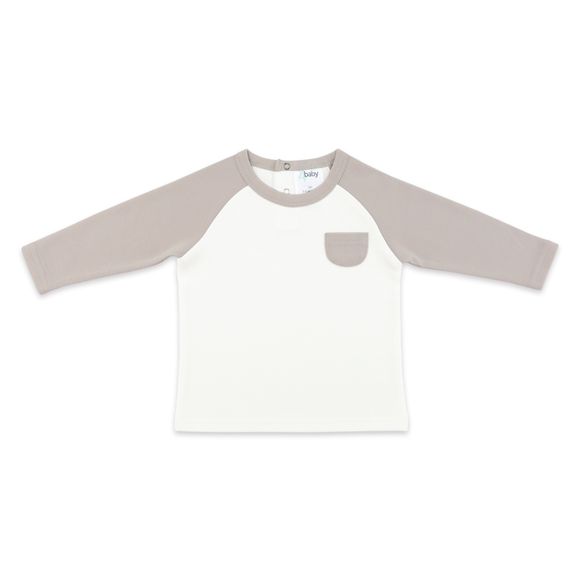
Bonds Pullover Bonds Medium Breton Stripe Purple
from $19.79
$32.99
SAVE $13.20







.png?quality=80&format=webp&width=3840)
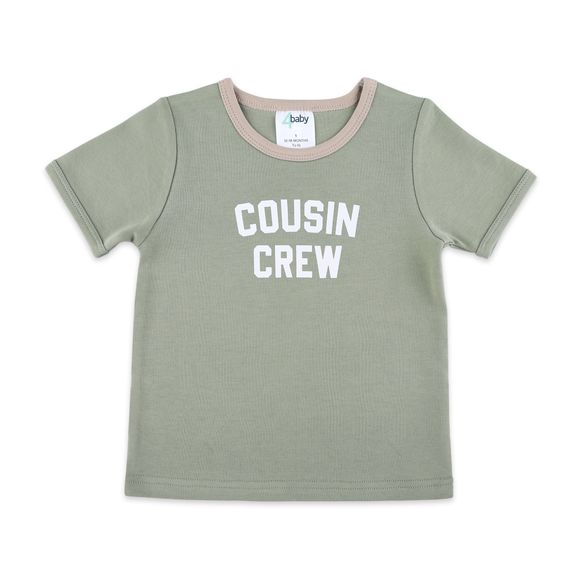
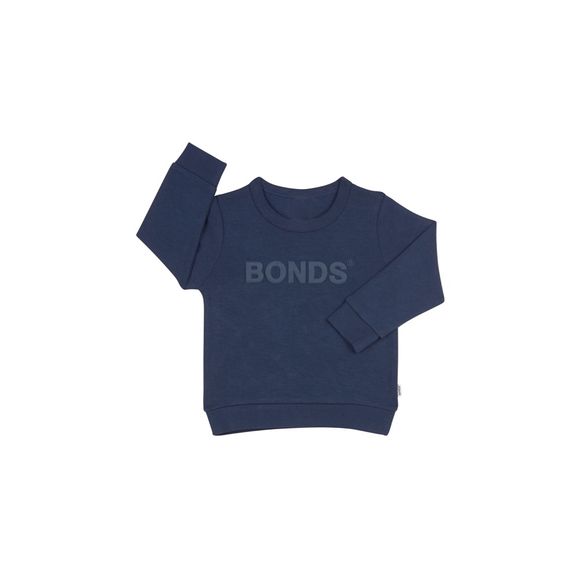
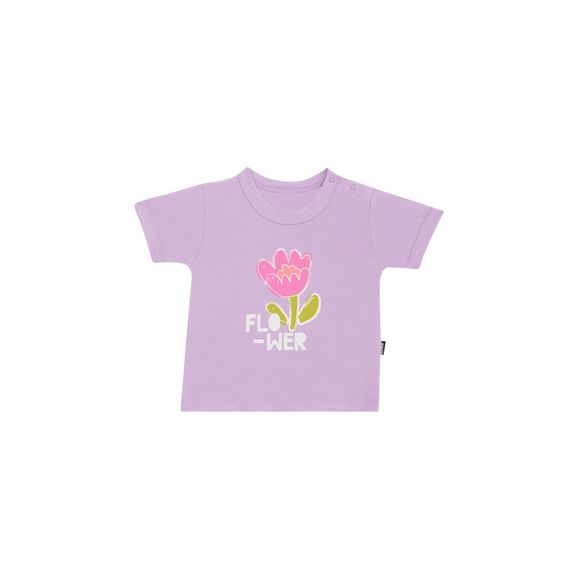
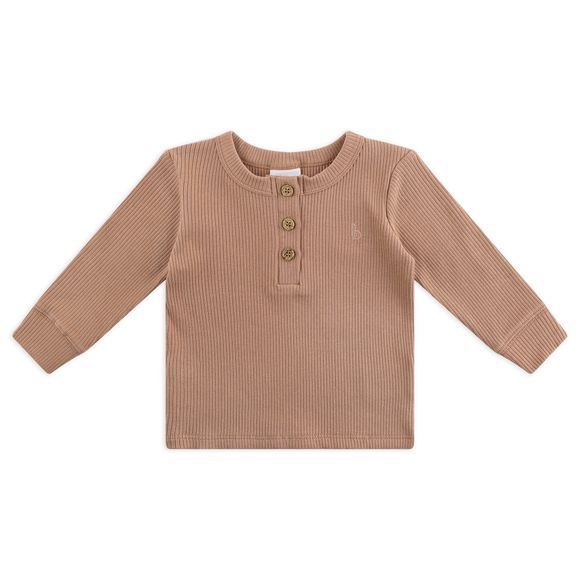
Baby tops are versatile wardrobe essentials that work for everything from playtime to family photos
Choose soft, breathable fabrics like cotton that are gentle on delicate skin
Envelope necks and stretchy materials make getting them on and off so much easier
You'll need a mix of styles - everyday basics, dressy options, and layering pieces
The right fit lets baby move freely without being too baggy or restrictive
Don’t forget to dress for both the summer and winter season, as well as the reason.
When choosing a baby top, it’s also worth thinking about the season and how you’ll layer it. Lightweight, breathable fabrics are ideal in warmer months, especially if you’re following our guide on how to dress your baby for summer, where airflow and comfort matter most. For cooler weather, baby tops that layer easily under jumpers or jackets are key. Our tips on how to dress your baby for winter can help you choose warmer materials that keep your bub cosy without overheating.
Cotton is your bub’s best friend. It's soft, breathable and stands up to endless washing.
Organic cotton skips the harsh chemicals for extra-sensitive skin.
Bamboo naturally regulates temperature and feels incredibly soft.
Jersey knits are stretchy and comfortable, moving with your bub.
Envelope necklines (those clever overlapping shoulders) that stretch wide for easy dressing.
Snap closures at the shoulder make life easier for newborns.
Stretchy fabrics are forgiving and comfortable.
Expert tip: Avoid anything scratchy, with loose buttons, or rough seams that'll irritate delicate skin.
Babies grow ridiculously fast, so we recommend you avoid buying too many in one size. Most brands size by age (for example 0-3 months, 3-6 months), but check the manufacturer’s weight and height guides (since all babies grow differently).
When in doubt, size up. You can always roll sleeves temporarily, but a too-small top is uncomfortable and won't last. Need more tips for clothing your growing bub?
Unfortunately, your baby can't tell you if something's uncomfortable, although sometimes they do try. Because they can’t communicate, a little parent intuition can be involved. Soft fabrics without scratchy tags or rough seams are essential. Flat seams prevent irritation. Stretchy necklines and armholes allow easy movement without restriction.
Check that tops aren't too tight around the neck or arms, because you want your bub to move freely. We also recommend avoiding overly baggy tops that bunch up or get in the way during tummy time and crawling. The sweet spot is fitted but not restrictive, with room to grow.
Baby tops come in different styles for different situations.
Occasion | What to Look For | Why You Need Them |
Everyday Basics | Simple tees and long-sleeves in neutral or fun colors | Easy to wash, durable, perfect for daily wear - you'll live in these |
Out-and-About | Cute prints, stripes, or patterns | Looks good in photos but still practical for cafés and playdates |
Special Occasions | Dressy styles with collars, ruffles, or fancy fabrics | Perfect for family gatherings and milestone photos |
Daycare-Friendly | Tough, wash-and-wear styles | Handle food, paint, and mess - nothing too precious |
Layering Pieces | Cardigans, light knits, vests | Temperature control for unpredictable weather |
Sleep-Friendly | Soft, cosy options without scratchy details | Comfortable for bedtime without irritation |
Baby tops are everyday essentials that get more use than you'd think. Mix practical basics with a few special pieces, choose soft comfortable fabrics and don't overthink it. Your bub will be adorable in anything! Focus on what's easy to wash and comfortable to wear, and you can't go wrong.
A baby top ends at the waist like a regular t-shirt. A bodysuit (or onesie) has snaps at the crotch and stays tucked in. These are brilliant for preventing riding up and keeping nappies covered. Both have their place.
Each manufacturer is different, so we always suggest you follow the care label’s instructions. As a general rule, machine wash in warm or cold water with gentle, baby-friendly detergent. Avoid fabric softener on newborn clothes as it can irritate skin.
Cotton (especially organic), bamboo and soft jersey knits are gentle on sensitive skin. Avoid synthetic fabrics that don't breathe well and always wash new clothes before wearing to remove any manufacturing residues.